

When your refrigerator stops cooling or your dryer refuses to heat, the stress hits immediately. Monmouth County homeowners and small business owners face these appliance emergencies regularly, often unsure whether to attempt a quick fix or call for professional help. Understanding basic troubleshooting, preventative maintenance, and safety protocols can dramatically reduce repair costs and extend the lifespan of your major appliances. This guide delivers expert-backed strategies tailored specifically for Monmouth County conditions, helping you make smarter decisions about appliance care and knowing exactly when to seek professional assistance.
Table of Contents
- Key takeaways
- Understanding troubleshooting criteria for common Monmouth County appliances
- Preventative maintenance habits to reduce costs and extend appliance life
- Key safety tips and specialized cleaning for Monmouth County dryers
- When to repair versus replace appliances in Monmouth County
- Get fast, reliable appliance repair and maintenance in Monmouth County
- FAQ
Key Takeaways
| Point | Details |
|---|---|
| Troubleshooting basics | Systematic troubleshooting resolves the majority of appliance issues without professional help, saving time and money. |
| Preventative maintenance benefits | Regular preventative maintenance reduces repair costs and extends appliance life. |
| Hard water care | Hard water with minerals accelerates scale buildup, so monthly empty cycles with two cups of white vinegar help prevent blockages. |
| Dryer lint safety | Regularly cleaning dryer lint and checking vents reduces fire risk. |
| Repair vs replace threshold | Know when repairs are no longer cost effective by comparing repair estimates with replacement costs. |
Understanding troubleshooting criteria for common Monmouth County appliances
Most appliance problems stem from simple issues you can identify and resolve without professional intervention. Basic troubleshooting resolves 60% of common appliance issues for homeowners, saving both time and money on service calls. The key is following a systematic approach that addresses the most likely culprits first.
Start with power verification. Check that the appliance is plugged in securely, the circuit breaker hasn’t tripped, and any GFCI outlets haven’t been triggered. Modern appliances often display error codes on digital panels, so write down any codes you see before attempting resets. These codes provide valuable diagnostic information for technicians if you eventually need professional help.
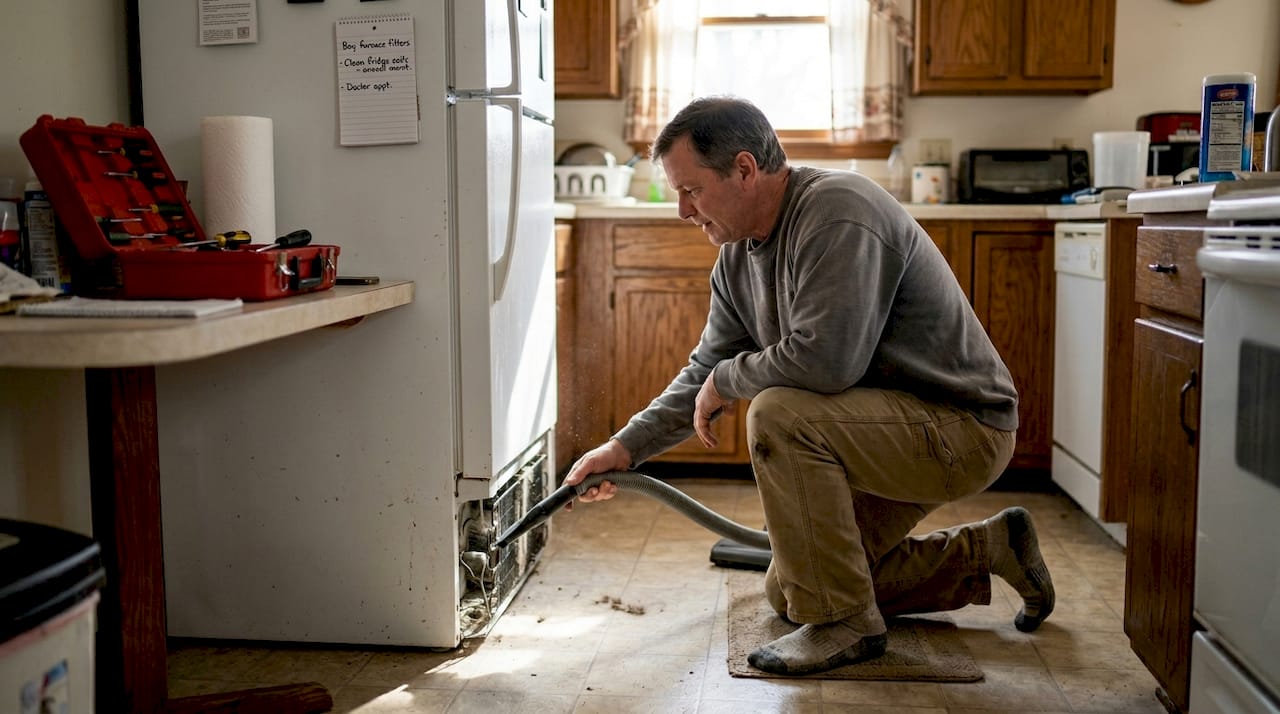
Next, examine user-serviceable components. Clean or replace filters in dishwashers, washers, and dryers. Inspect refrigerator coils for dust buildup and vacuum them gently. Check drain hoses for kinks or clogs. For how to diagnose appliances systematically, follow manufacturer guidelines in your owner’s manual.
Smart appliances require special consideration. Always attempt a soft reset by unplugging the unit for 60 seconds before reconnecting power. This clears temporary software glitches that can mimic hardware failures. However, complex electronic issues involving circuit boards or control panels demand certified technicians with specialized diagnostic equipment.
Small business owners face unique challenges due to heavier usage patterns. Commercial-grade or frequently used residential appliances need more aggressive maintenance schedules. Document every issue, maintenance task, and repair in a logbook. This record helps identify patterns and provides valuable context when professionals evaluate equipment.
Pro Tip: Take photos of error codes and unusual symptoms before resetting your appliance. These visual records help technicians diagnose problems faster, potentially reducing service time and costs. Include dates and any recent changes in appliance behavior.
Preventative maintenance habits to reduce costs and extend appliance life
Consistent preventative care delivers measurable financial benefits. Regular preventative maintenance reduces repair costs by 20% and extends appliance lifespan by 30%, making it one of the smartest investments for homeowners and business owners alike.
Monmouth County’s water supply contains moderate to high mineral content in many areas. This hard water accelerates scale buildup in washers and dishwashers, reducing efficiency and causing premature component failure. Combat this by running empty cycles with two cups of white vinegar monthly. The acidic solution dissolves mineral deposits before they harden into stubborn blockages.
Establish a monthly maintenance routine covering all major appliances. Clean refrigerator coils to maintain cooling efficiency. Remove and wash dishwasher filters to prevent food particle buildup. Inspect washer door seals for mold or mildew, wiping them down with diluted bleach solution. Check dryer vents for lint accumulation beyond the trap itself.
For detailed guidance on comprehensive care routines, review preventing appliance breakdowns tips and follow an appliance maintenance checklist homeowners can implement immediately. These resources provide appliance-specific tasks organized by frequency.
Small businesses operating laundromats, restaurants, or rental properties should double standard maintenance frequencies. Heavy usage accelerates wear on motors, pumps, and heating elements. Schedule professional inspections quarterly rather than annually to catch developing issues before they cause operational downtime.
Pro Tip: Create a simple maintenance log using a calendar app or spreadsheet. Set recurring reminders for monthly tasks and record completion dates. This system ensures nothing gets overlooked and provides documentation of care if warranty claims arise.
Key safety tips and specialized cleaning for Monmouth County dryers
Dryers present the most significant fire hazard among household appliances. Shockingly, 88% of dryer fires in Monmouth County are linked to lint accumulation from failure to clean lint traps regularly. This preventable risk demands serious attention from every household and business using these appliances.
Lint accumulation restricts airflow, causing dryers to overheat. The combination of extreme heat and flammable lint creates ideal conditions for ignition. Beyond the visible lint trap, lint migrates into vent ducts, exhaust ports, and even internal components. Professional dryer vent cleaning is recommended every 12 to 24 months to prevent fire risks and maintain efficiency.
Implement these essential dryer safety practices:
- Clean the lint trap thoroughly after every single load without exception
- Inspect the outdoor vent opening monthly to ensure proper airflow
- Never run the dryer when leaving home or going to sleep
- Keep the area around the dryer clear of flammable materials
- Replace plastic or foil vent ducts with rigid metal alternatives
- Watch for warning signs like longer drying times or burning smells
- Schedule annual professional inspections for internal lint removal
Following comprehensive dryer safety protocols reduces fire risk by over 80% and improves energy efficiency by up to 30%, delivering both safety and cost savings for Monmouth County households.
Beyond fire prevention, proper dryer maintenance extends equipment life and reduces energy consumption. Clogged vents force motors and heating elements to work harder, accelerating wear and increasing utility bills. Many homeowners notice their dryers taking two or three cycles to fully dry loads, a clear indicator of restricted airflow requiring immediate attention.
For additional strategies on maintaining all appliances, explore preventing appliance breakdowns tips that complement these dryer-specific protocols.
Pro Tip: Mark your calendar for monthly lint trap housing checks. Pull out the trap and use a vacuum crevice tool to remove lint from the slot itself. This hidden accumulation often goes unnoticed but significantly restricts airflow over time.
When to repair versus replace appliances in Monmouth County
Every appliance eventually reaches a point where continued repairs become financially unwise. The industry standard suggests repair costs exceeding 50% of a new appliance’s price warrant serious consideration of replacement instead. This threshold helps homeowners avoid throwing good money after bad on aging equipment.
| Factor | Repair | Replace |
|---|---|---|
| Cost efficiency | Economical when under 50% of new price | Better value when repair exceeds 50% threshold |
| Appliance age | Worthwhile for units under 8 years old | Recommended for units over 10 years old |
| Energy efficiency | Maintains current consumption levels | Modern models use 20-40% less energy |
| Warranty coverage | May be partially or fully covered | New warranty provides 1-5 years protection |
| Frequency of issues | Single isolated problem | Multiple recurring failures |
Several factors beyond pure cost influence smart replacement decisions. Appliance age matters significantly because older units approaching or exceeding their expected lifespan will likely develop additional problems soon after repairs. A 12-year-old refrigerator needing a $400 compressor replacement may fail in other ways within months.
Energy efficiency improvements in modern appliances deliver substantial long-term savings. A 15-year-old refrigerator consumes roughly twice the electricity of current Energy Star models. Calculate potential utility savings over the next five years and factor this into your replacement decision. The upfront investment often pays for itself through reduced monthly bills.
Consider these additional decision factors:
- Current appliance age relative to expected lifespan for that model type
- Availability of replacement parts for discontinued or older models
- Warranty status and whether repairs qualify for coverage
- Frequency of recent repairs indicating systemic deterioration
- Changes in household size or usage patterns affecting capacity needs
- Upcoming kitchen or laundry room renovations creating natural replacement timing
Small business owners should weight reliability more heavily than homeowners. Appliance downtime in commercial settings directly impacts revenue. A restaurant losing refrigeration or a laundromat with broken washers faces immediate financial consequences. In these scenarios, replacing aging equipment proactively prevents costly operational disruptions.
For comprehensive cost analysis and decision frameworks, review this cut appliance repairs guide tailored specifically for Monmouth County conditions and pricing.
Pro Tip: Request detailed written estimates from qualified technicians before authorizing repairs. Compare the repair cost against current retail prices for equivalent new models. Factor in potential energy savings and warranty coverage to make fully informed decisions.
Get fast, reliable appliance repair and maintenance in Monmouth County
While DIY troubleshooting and preventative maintenance handle many situations, complex repairs require professional expertise. Expert Appliance has served Monmouth County homeowners and small businesses since 1988, delivering same-day service and 24/7 emergency support when appliances fail at the worst possible times.
Our certified technicians repair all major brands and models, from refrigerators and washers to dryers, ovens, stoves, dishwashers, and vacuums. We understand the unique challenges Monmouth County residents face, including hard water effects and the urgent need for rapid response in our busy communities.

Whether you need routine maintenance to prevent problems or emergency repairs to restore essential appliances, our team provides upfront pricing and guaranteed satisfaction. We serve both residential and commercial clients with customized maintenance plans that keep equipment running efficiently year-round.
Our comprehensive services include:
- Same-day emergency repairs for urgent appliance failures
- Certified technicians experienced with all major appliance repair for top brands
- Complete appliance and vacuum repair services under one roof
- Preventative maintenance plans tailored for homeowners and businesses
- Same day emergency appliance repair available 24/7
Contact Expert Appliance today for reliable service that gets your appliances back to peak performance quickly and affordably.
FAQ
What are the easiest appliance problems to fix yourself?
Simple tasks like cleaning filters, resetting circuit breakers, and clearing drain hoses are safe DIY fixes that resolve many common issues. You can also replace user-serviceable parts like refrigerator water filters or dryer lint screens without risk. However, avoid electrical repairs, refrigerant work, or gas line adjustments that require specialized training and tools. These complex repairs risk personal injury and may void manufacturer warranties if performed incorrectly.
How often should I clean my dryer vent to avoid fire hazards?
Professional dryer vent cleaning should occur every 12 to 24 months depending on usage frequency and vent length. Households doing more than 10 loads weekly or those with vents longer than 25 feet need annual service. Clean your lint trap after every single load without exception, and inspect the outdoor vent opening monthly to verify proper airflow. Warning signs like extended drying times or burning odors indicate immediate cleaning needs regardless of schedule.
When is it more cost-effective to replace rather than repair an appliance?
Replacement becomes the smarter choice when repair costs exceed 50% of a comparable new appliance’s price. Also consider replacement for appliances over 10 years old experiencing multiple issues, as additional failures likely await. Factor in energy efficiency improvements in modern models that reduce monthly utility costs by 20 to 40 percent. Calculate total ownership costs including repairs, energy consumption, and remaining expected lifespan to make financially sound decisions.
Does hard water in Monmouth County require special appliance care?
Yes, Monmouth County’s moderate to high mineral content demands additional maintenance to prevent scale buildup. Run empty cycles with two cups of white vinegar monthly in washers and dishwashers to dissolve mineral deposits. Consider installing water softeners for homes with particularly hard water to protect all appliances and plumbing fixtures. Regular descaling extends appliance life significantly and maintains optimal efficiency in areas with mineral-rich water supplies.
How can small businesses reduce appliance downtime and repair costs?
Implement preventative maintenance schedules at twice the frequency recommended for residential use due to heavier operational demands. Schedule quarterly professional inspections to catch developing issues before they cause failures during business hours. Maintain detailed service logs documenting all maintenance and repairs to identify patterns and justify warranty claims. Consider service contracts with guaranteed response times to minimize revenue loss from unexpected appliance failures in commercial settings.
Recommended
- Appliance Lifespan Guide: 9-15 Years in Monmouth County – Expert Appliance
- Preventing appliance breakdowns: 5 tips for NJ homeowners – Expert Appliance
- How home appliances impact energy bills in Monmouth County – Expert Appliance
- Small business appliance maintenance guide Monmouth County 2026 – Expert Appliance